Objectives

ELSEWHERE
We support indigenous communities in:
- Reclaiming their ancestral lands
- Restoring biodiversity
- Passing on their ancestral knowledge to younger generations
→ So that they can regain their autonomy and shape a future of their own.
HERE
This gathering allows us to turn otherness into a source of richness by:
- Questioning our practices and perceptions
- Drawing inspiration to put life back at the heart of our actions
- Forging a new dialogue towards harmony and balance
→ To enrich modern societies with ancestral wisdom, in the service of Life.
Principles
Tchendukua… Where thought converges… Such is the meaning of this word which, since 1997, has identified our association and its activities. A term that may seem strange to those who accompany us, yet perfectly sums up the issues underlying this ‘adventure’.
We can only grow as human beings through interdependence. That is why, according to Eric Julien, allowing the Kogis, the Wiwas and other communities to preserve their distinctiveness means enriching ourselves with their view of the world, for it is true that life springs from the richness of encounters and not from the rejection of differences.
Tchendukua – Ici et Ailleurs supports “indigenous” peoples, indigenous peoples, “over there”, in that “elsewhere” that is the Sierra, so that they may reclaim their lands and, more generally, attempt to withstand the manifold assaults of our modernity. Every piece of land returned, every tree preserved, is a victory.
The challenge does not lie solely ‘over there’. It undoubtedly lies also ‘here’, at home, at the heart of our modernity, in our ability to evolve our perspective, our understanding of the world and of things, to understand and come to terms with this compulsive frenzy of always more, always faster.
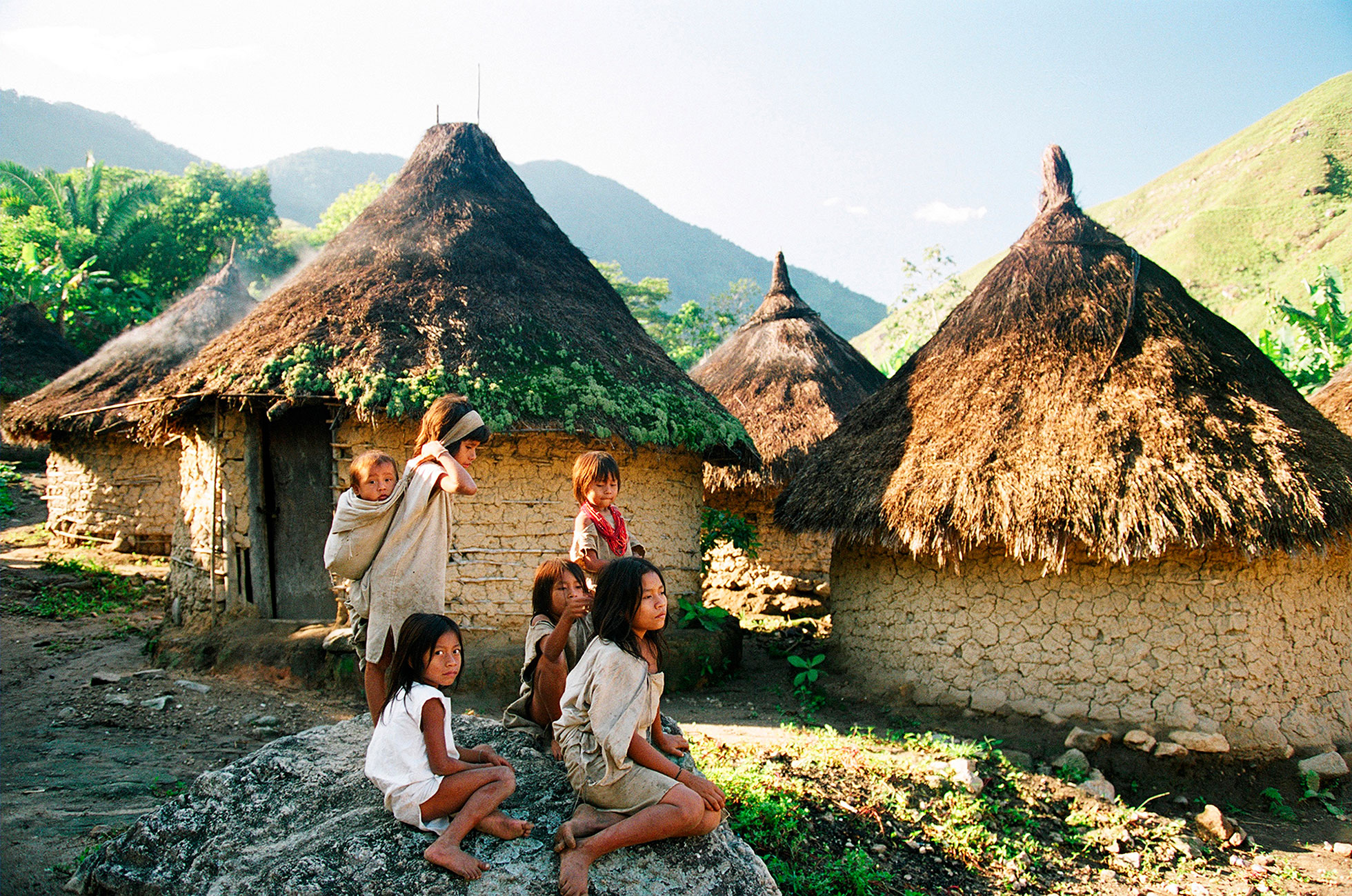
In an attempt to shift our perspective, dialogue with the Kogis and their brothers in the Sierra Nevada de Santa Marta proves to be a valuable source of inspiration and decolonisation of our imaginations. Stepping back, looking elsewhere, daring to tread the path of the unimaginable… A path that involves fostering a multitude of unlikely yet fruitful dialogues, precisely because they are unexpected. It is in these dialogues, particularly with the Kogis, that we are likely to find the avenues of creative adaptation that our modern societies so vitally need.
In the Anthropocene era, a time when human activities directly threaten the planet’s major balances, we lack the tools, concepts, legal systems and frameworks that would enable us to tackle the major challenges of our time.
With indigenous peoples, it is not a question of ‘changing the world’, but rather of changing our ‘perspective’ on this world. To imagine together new responses to these new challenges. It is no longer a question of opposing one another over the issues that divide us, but of opening our modernity to dialogue in Zigoneshi (sacred dialogue in the Kogi language). This is the path that lies before us… A path of convergence, bringing joy and hope… the path of Tchendukua, the one we invite you to share.
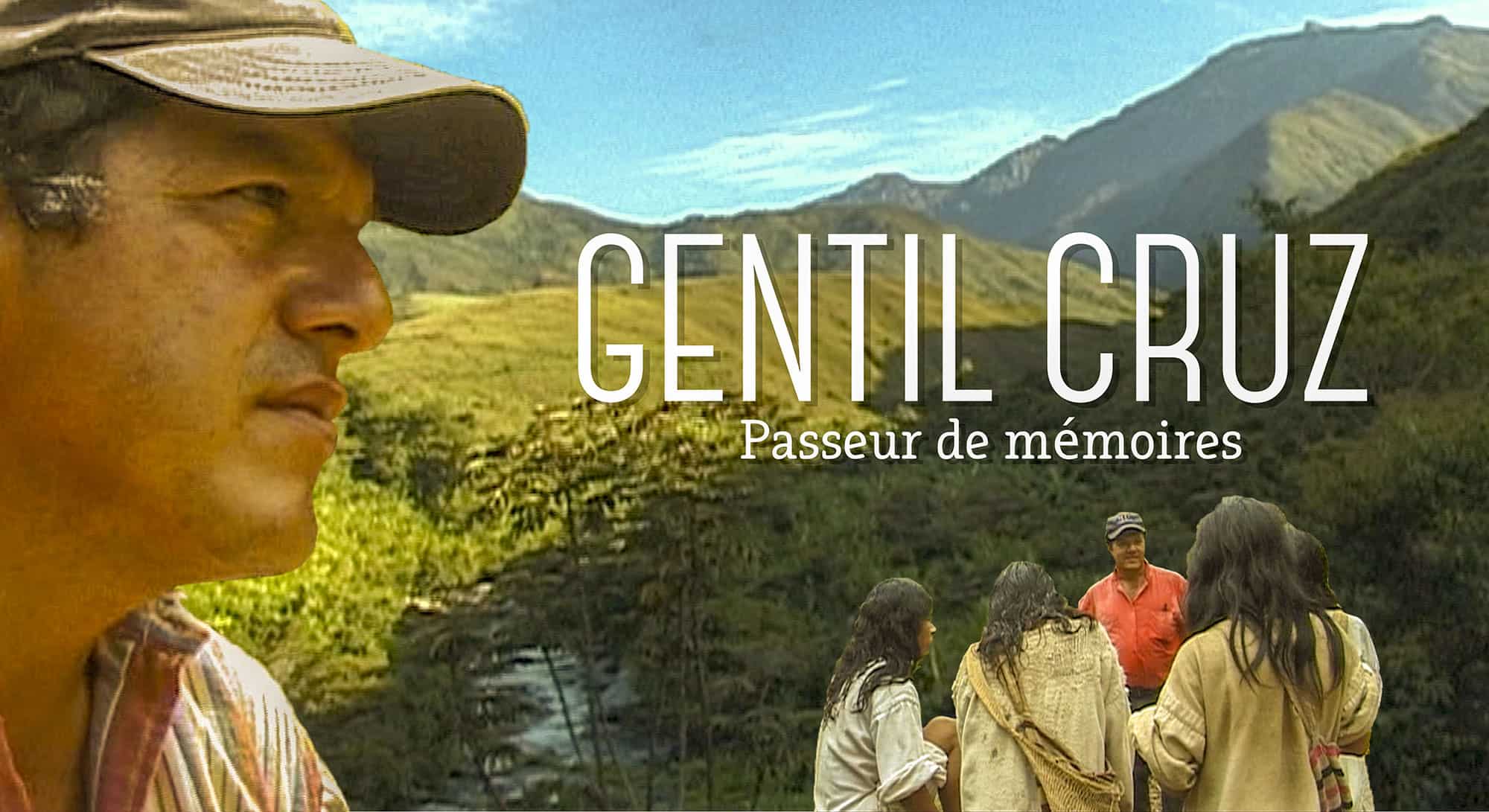
“My dream would be for non-Indians, the ‘civilised’ as they call themselves, to come to understand the Indians a little. This will require a great deal of dialogue… I don’t know when that will happen, but I think that one day, non-Indians will have to start thinking about nature—in fact, thinking about themselves, about who they are… Indians can still teach us this reality; they have not forgotten that they are part of nature. Exchanging ideas and learning from one another—that would be the aim of this ‘School of Nature and Knowledge’. In such a school, we could learn or relearn that humans are part of nature, that it is a part of us, that it is possible to live in harmony with it. If we learn to understand nature a little, to respect it, we can learn to respect ourselves; for that, we must be patient and respect time…’
Gentil CRUZ (†) 1951–2005