The peoples of the Sierra
The Kogis, Arhuacos, Wiwas and Kankuamos make up the peoples of the Sierra Nevada de Santa Marta and are the descendants of the Tayronas, one of the greatest pre-Columbian societies on the South American continent, alongside the Incas, the Mayans and the Aztecs. For them, the Sierra Nevada represents the heart of the world, Mother Earth, who has passed on to them the moral and spiritual code that governs their civilisation.
It is difficult to know precisely the number, diversity and location of the various pre-Columbian communities that inhabited the foothills of the Sierra before the arrival of the colonizers. Some research carried out by anthropologists speaks of traces of civilisations dating back more than 12,000 years, whilst others suggest migrations from what is now Guatemala. This hypothesis appears to be supported by words of Mayan origin identified in the Kogi language, and the similarities between the Kogis and the Lacandons, the last survivors of the Mayan civilisation, living in Chiapas on the border between Guatemala and Mexico. Although history has preserved the memory of a single name, the ‘Tayronas’, to refer to the pre-Columbian inhabitants of this part of present-day Colombia, it seems that the number and diversity of communities present on the Caribbean coast were far greater.
Historically, the bulk of the population, towns, transport routes, political centres and manufacturing hubs were mainly located on the northern slopes of the mountain range. Under the onslaught of various waves of colonisation, some of which reached particularly high up into the valleys – one finds churches and Catholic symbols, crosses and altars, which undoubtedly date from the 17th or 18th century in many high-altitude villages – the communities both dispersed and retreated into the high valleys of the Sierra, gradually fading from our history.
Although they speak very different languages, the four communities still living in the Sierra continue to operate on the same cultural and philosophical principles, the principles of ‘Mother Earth’.
- Its members perform rituals and make offerings to maintain balance and harmony with ‘Mother Earth’
- They perform lengthy “confession” rituals, or neshi, which involve verbalising negative thoughts or actions that might upset the balance of relationships, whether between community members or with “Mother Earth”
- They continue the training of both mamas and sagas (male and female shamans) who serve as judges, philosophers, historians, doctors, intermediaries with the “Mother” and guardians of the community’s balance
- They regard the territory as a territorial “body” with which one must remain in connection, a prerequisite for maintaining balance
- For them, the use of the poporo (by men) and weaving (by women) is both a symbol and a practice that helps community members to develop their thinking, a prerequisite for raising awareness of ‘Mother Earth’, her harmony, and their responsibility to maintain that harmony
The story goes that, forced to retreat to the high valleys of the Sierra Nevada in the face of the destructive violence of colonisation, the four communities entered into a secret “pact”. Three of them were entrusted with the heavy responsibility of facing the destructive waves of modernity to protect the fourth, the Kogis, so that they might preserve their ancestral knowledge as much as possible. It was the Kogis’ duty to share this knowledge again when the time came. And the time has come, for today the Kogi mamas regularly train the mamas of the other three communities.
Supporting the Kogis, indirectly, means supporting the spiritual life of the three other communities in the Sierra.
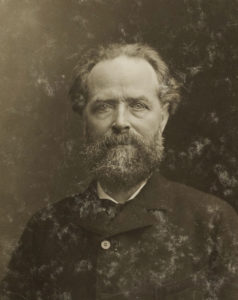 In 1855, Élisée Reclus, one of the greatest French geographers of all time, decided to settle at the foot of the ‘Montagne de Sainte Marthe’.
The Kogis
Since 1997, the initiatives developed by the Tchendukua – Ici et Ailleurs association have been developed and implemented within the Kogi communities. This focus stems from the story of Eric JULIEN and his encounter in 1985 with the Arhuacos, followed by the Kogis, who would go on to save his life. The association’s knowledge of the Sierra and its inhabitants stems largely from this encounter and the regular dialogue it has maintained with them since 1997.
Who are they?
Of the approximately 500,000 inhabitants recorded in the 16th century, there are now only 20,000 Kogis left. More than just a mountain range, the Sierra Nevada represents, in their eyes, the centre of the world, the ‘Mother Earth’ who has passed on to them the moral and spiritual code that governs their civilisation. A people of sages and philosophers, they lead an intensely spiritual life. Prioritising matters of the spirit, they introduce some of their children to the mysteries of their religion at a very early age, following a particularly rigorous ritual and code of ethics. The acquisition of this knowledge has but one aim: to strive to be in harmony with oneself and with the world. Leading a secretive and isolated existence, the Kogis practise an unchanging transhumance between their farms and the villages where they gather for religious ceremonies.
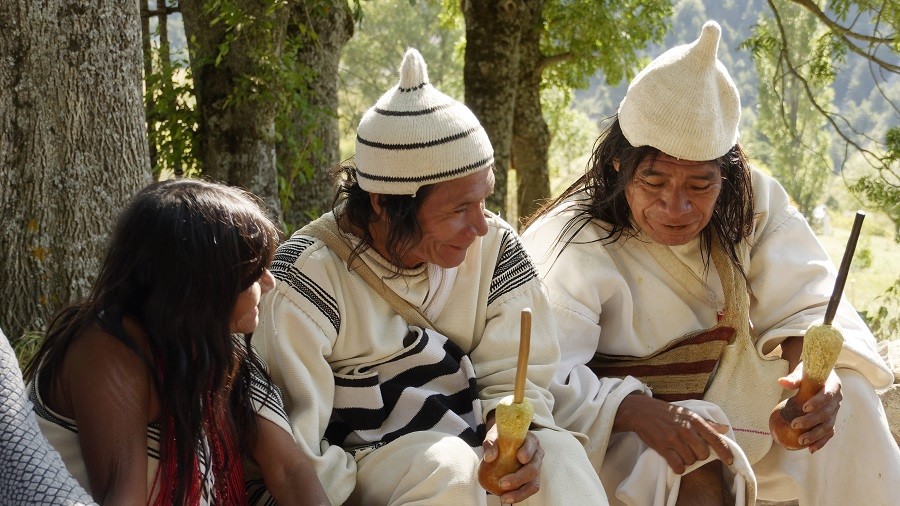
The Kogis and agriculture
Pioneers of permaculture, the Kogis practise mixed farming. They make the most of the Sierra’s varying altitudes; they have no stockpiles, no reserves and no surplus, producing only what is strictly necessary for their survival. They are also, at times, hunters (using traps) and river fishermen, and were no doubt sea fishermen before the arrival of the colonizers.
Their agricultural techniques are based on what our modern societies have termed “allelopathy”, namely the utilisation and combination of the specific characteristics—perceived as complementary (life cycle, properties, etc.)—of each cultivated plant, a millennia-old system of biological management and control.
For the Kogis, agriculture is a kind of barometer that allows them to gauge the state of their relationship—whether good or bad—with “Mother” Nature. A good harvest is interpreted as a positive response from the earth to the preparatory work and sowing carried out beforehand. Such relationships do not under any circumstances permit the use of fertilisers or pesticides, nor the establishment of a “mechanical” relationship with the soil.
Anyone who works the land must be able to communicate directly with it, apologising for the spiritual harm they are about to cause it. Just like human beings, plants and animals have a spirit and masters just as worthy of respect as those of human beings. They must be identified, understood and respected, and offerings made to them. If, despite everything, the harvest proves insufficient or poor, they will seek out the causes of this unsatisfactory relationship and implement a specific process to restore balance with the living world.
The Kogis and money
The Kogis regard money as man’s worst enemy. It stirs up base instincts and drives people mad.
Faced with tourism, corruption, scarcity and the creation of artificial needs, some Kogis reject money, whilst others try to come to terms with it.
Portraits
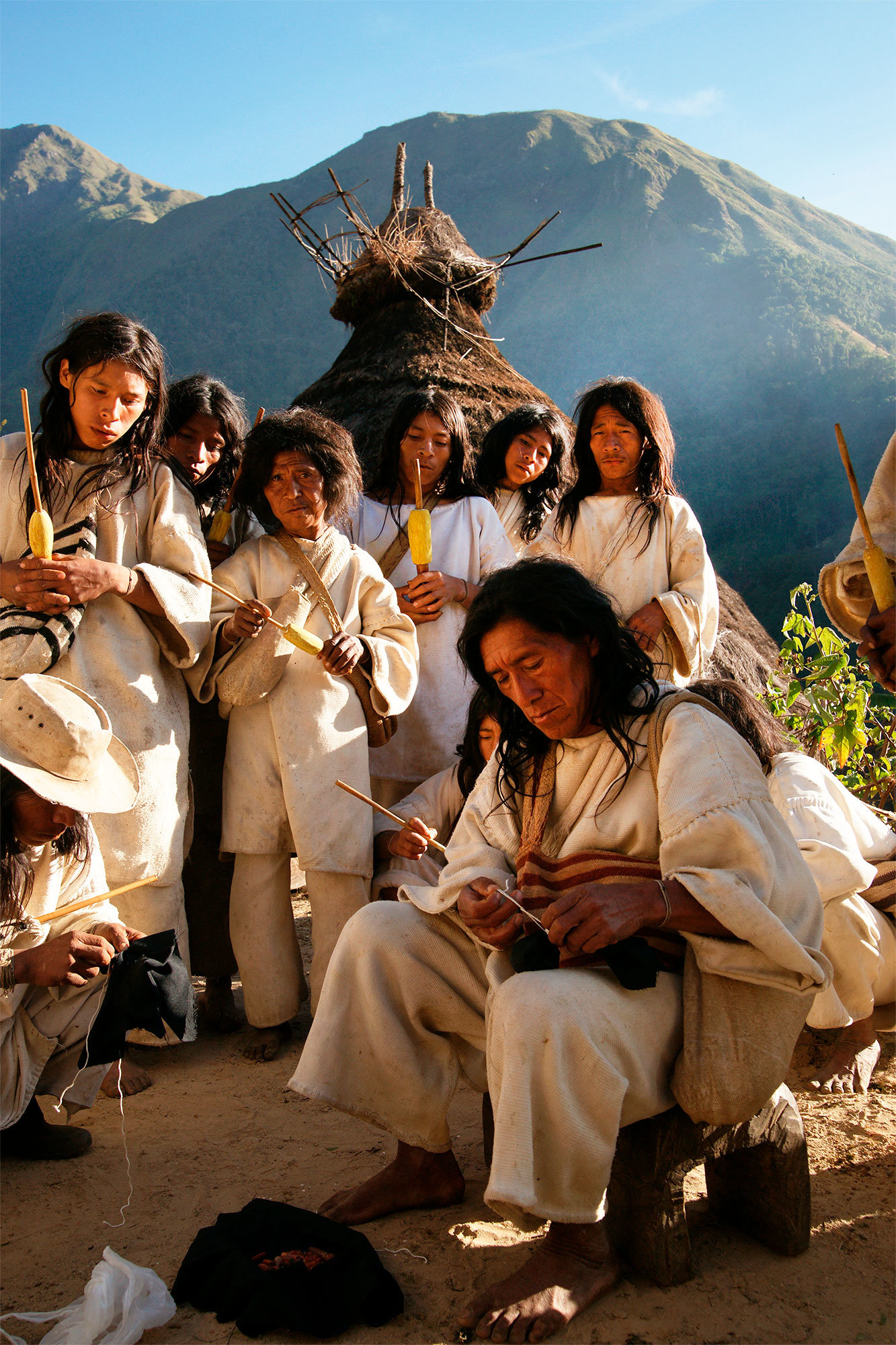
Mamu Antonino
Arriving in 2001, Mamu Antonino was entrusted with all the spiritual restoration work carried out on the lands of La Luna.
“It was Mamu Joaquim, a Mamu of great prestige within the community, who was tasked with paving the way and initiating all this restoration work. It fell to him to undertake the arduous task of ‘cleansing’ these lands, which had been damaged and desecrated over many years, and to prepare them ‘spiritually’ to allow the first families to settle there permanently.
Following this initial stage, responsibility for these new lands fell to the Alimako Clan, to which Mamu Joaquim belonged. Mamu Joaquim sadly passed away shortly after his arrival. Mamu Antonino, a member of the Dingula Clan—a family closely related to the Alimako Clan—was appointed to replace him. This change caused numerous problems within the traditional organisational structure that accompanies the taking of possession of a new territory.
Today, it is still the members of the Alimako Clan, under the leadership of Camilo, Joaquim’s eldest son, who are in charge of these new lands.”
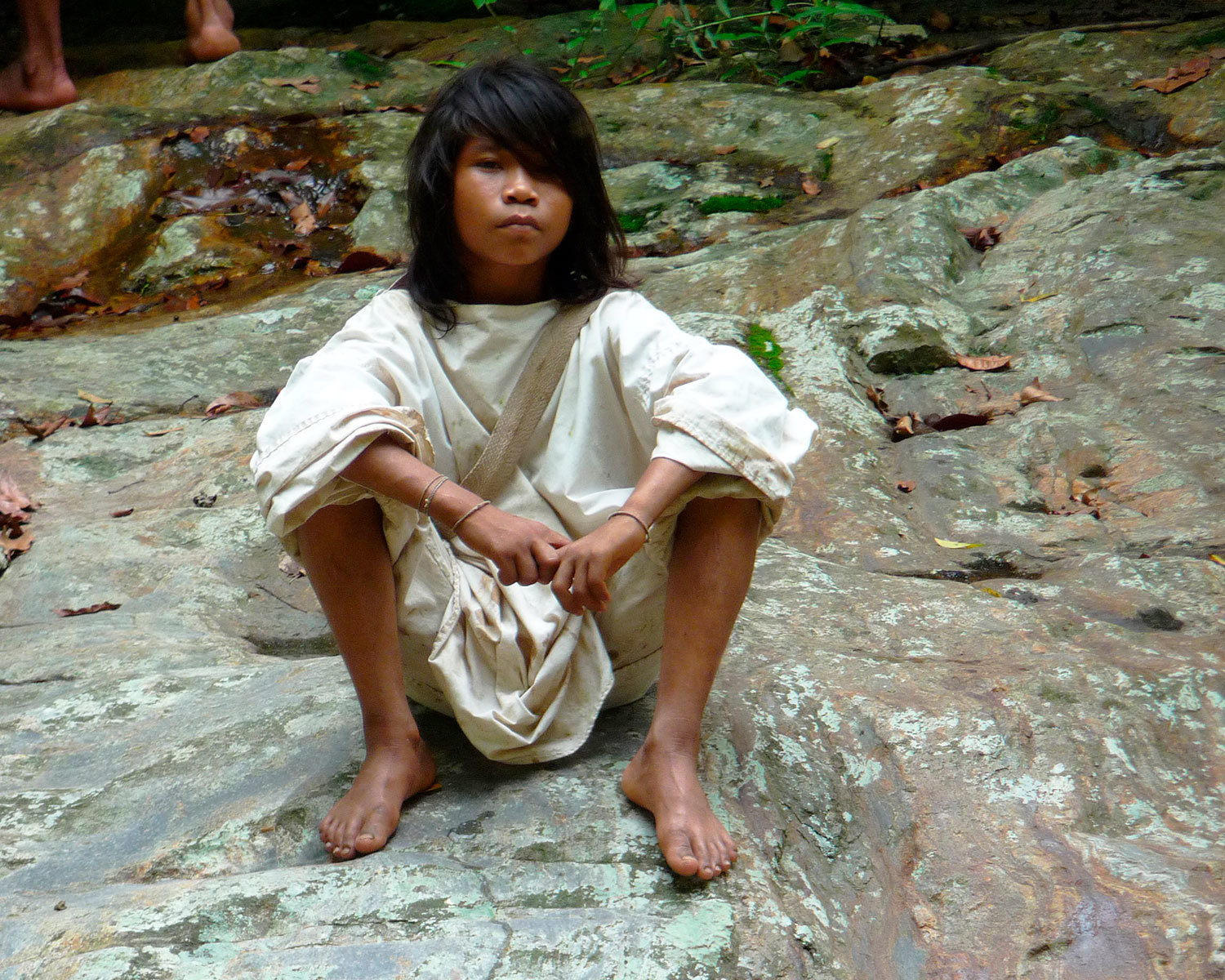
Sukua
Son of Vincente, Sukua (child) spends his days between the lands of La Luna and those, higher up, of La Hamaca.
With his father, whom he follows every step of the way, he learns what his role within the community will be: planting, working the land, distributing the harvests…
Sukua speaks with the earth…
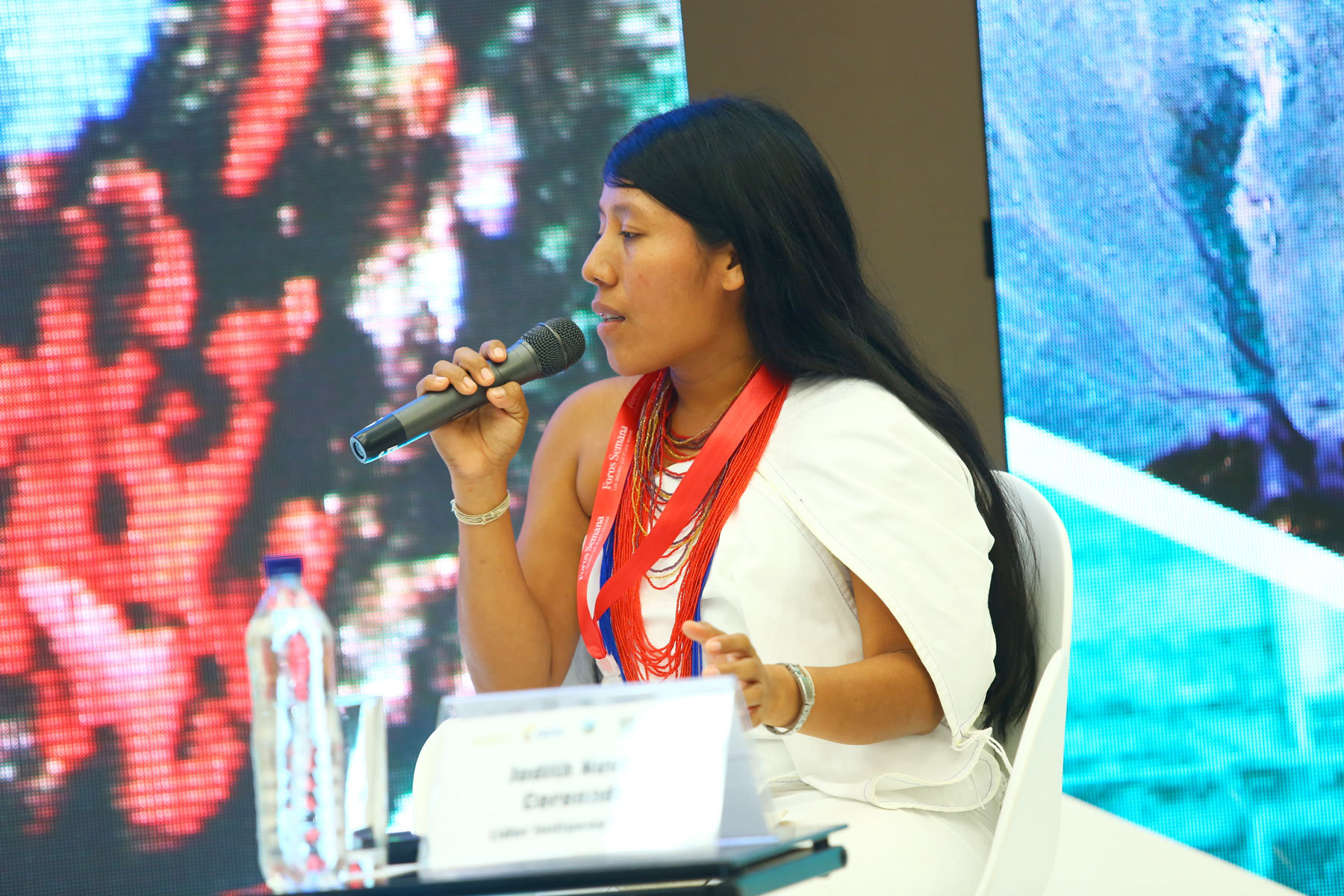
Judith Nuvita
Judith Nuvita is a dentist. She is the first Kogi woman to have completed a university degree.
After graduating, rather than joining the ‘modern’ world, she chose to practise her profession amongst her own people, joining the health organisation for the indigenous peoples of the Sierra. “My father was an ‘empirical’ dentist,” she says with a smile. “I went to university, but I came back to serve the community.”
Petite, determined, and lit up by a smile that lights up her face, Judith is a force to be reckoned with. Bursting with energy, she is also committed to doing everything she can to preserve her culture and the ancestral knowledge of her people. Faced with the risk of acculturation, which is becoming more apparent with each passing day, particularly in the villages closest to the ‘modern’ world, she has devised a project to preserve traditional knowledge, enabling young people to (re)discover the practice of weaving—both by women and men—in all its richness and symbolism.