Indigenous women and Mother Earth
By Gladys Laverde, translated by Lise Fabbro
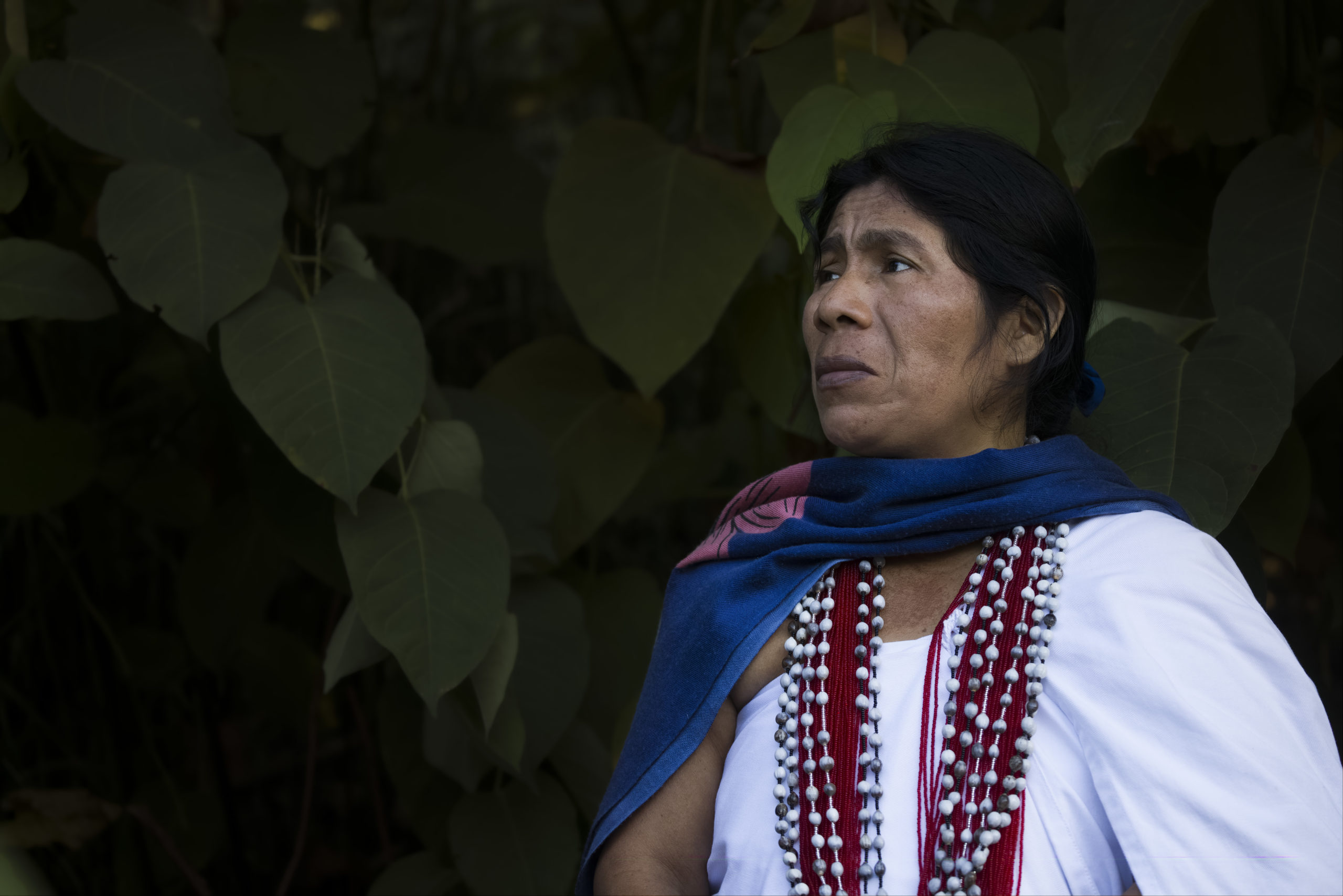
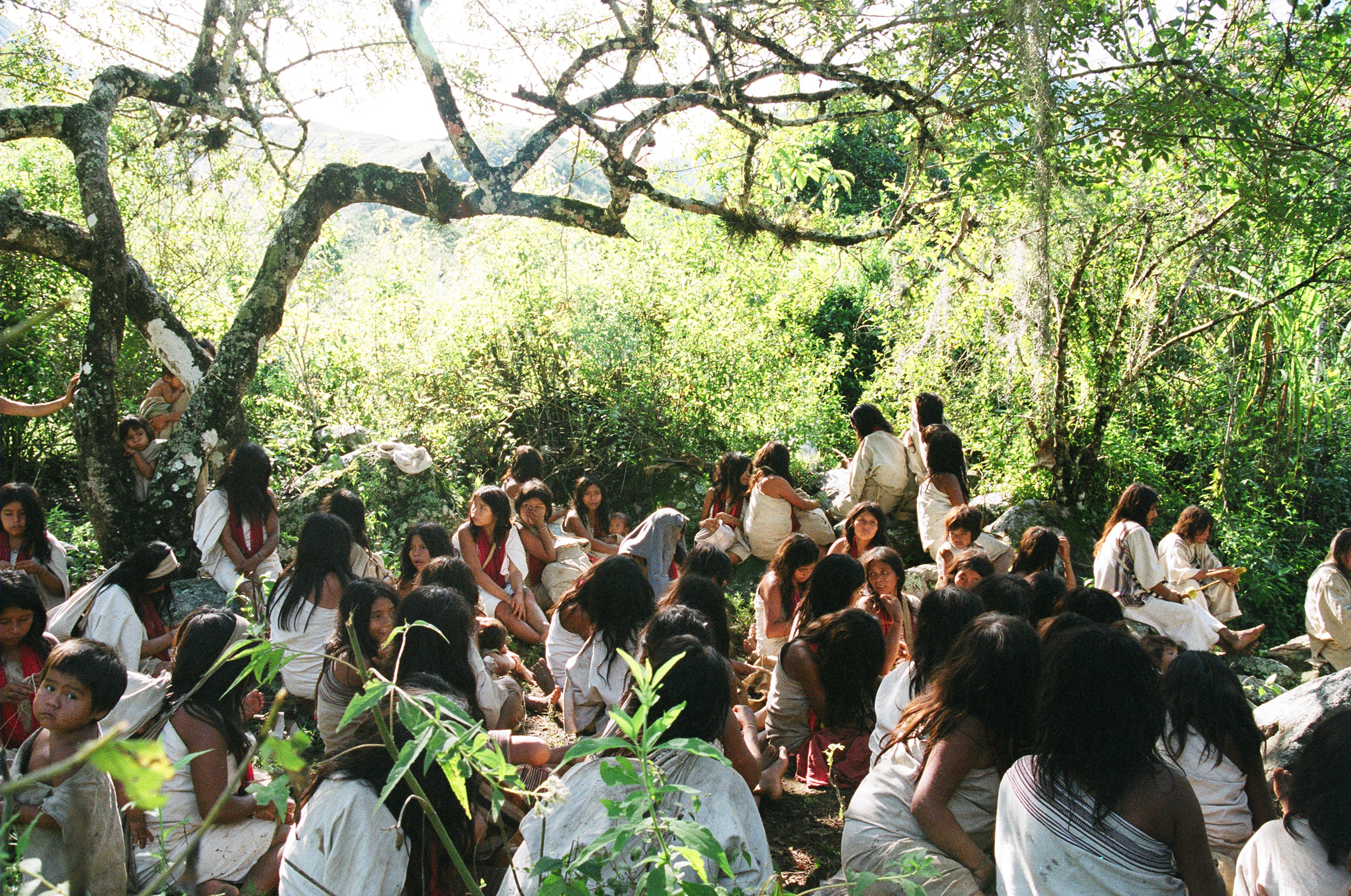
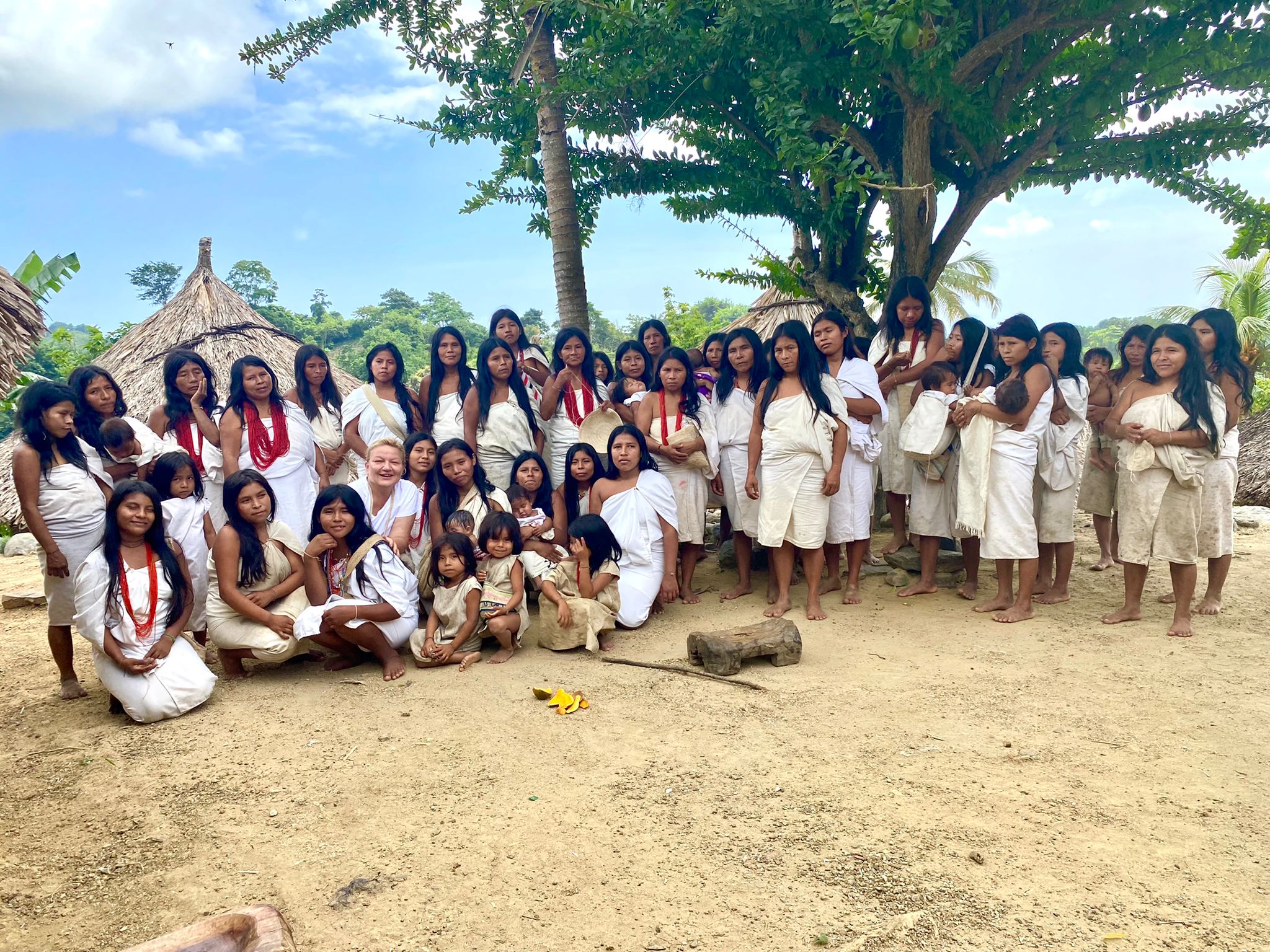
Women are the mainstay of life and the continuity of culture throughout history and across different societies. Throughout history, Indigenous women have played an important – yet largely unseen – role in ensuring that the cultural identities of Indigenous peoples, which are diverse and deeply rooted in their relationship with Mother Earth, their own systems of governance, their historical resistance and their ancestral knowledge, are preserved.
For the Indigenous peoples of the Sierra Nevada de Santa Marta (SNSM) in Colombia, “the woman is the simplest and highest expression of tradition: she is the MOTHER, the creator. It is from her that the human race, the black and fertile earth, plants, animals and all of nature were born. All are children of the Mother and are subject to the Law of the Mother, who is the nurturer and guide of Life. She is the very essence of the Law of the Origin”(1).
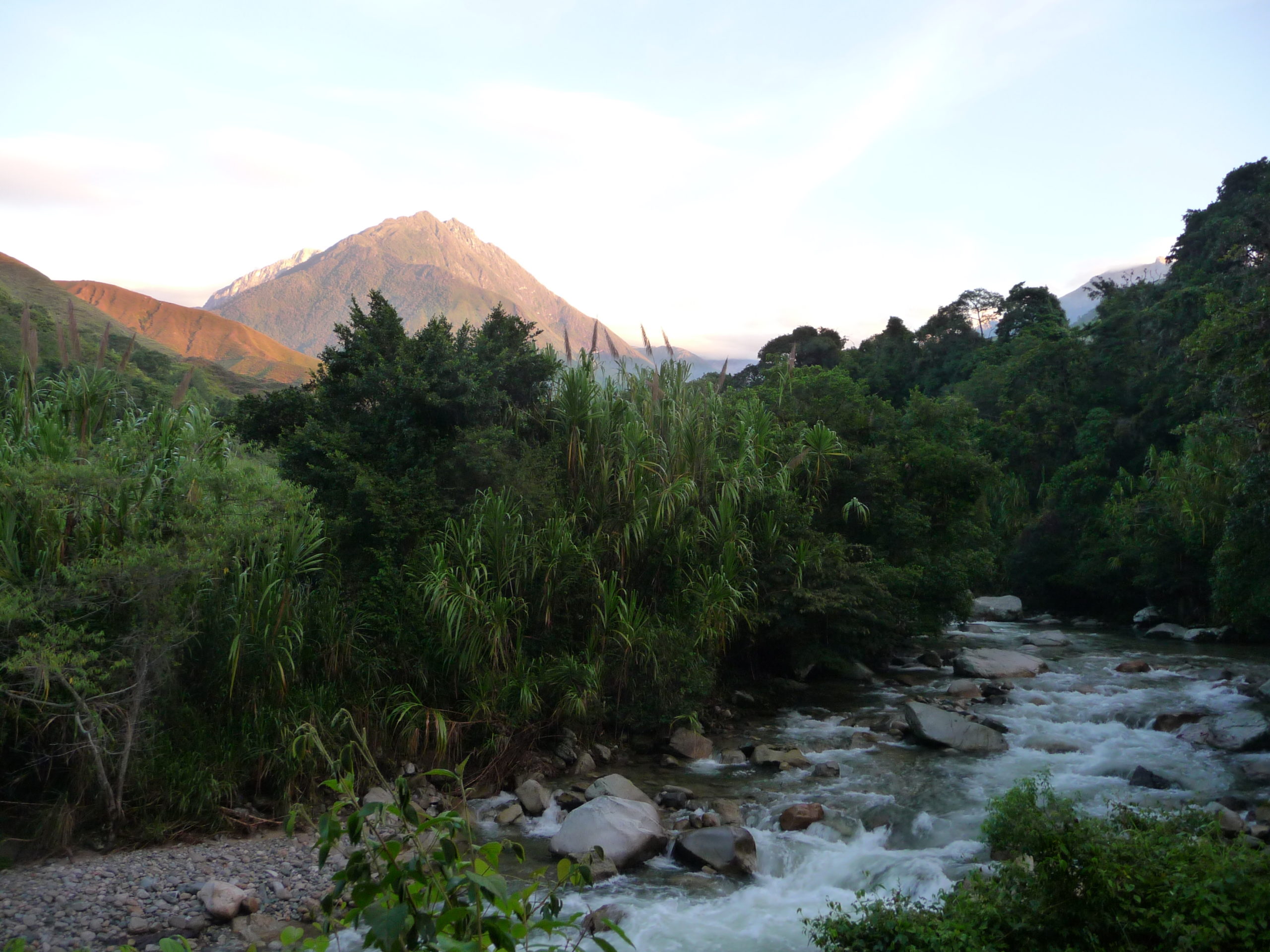
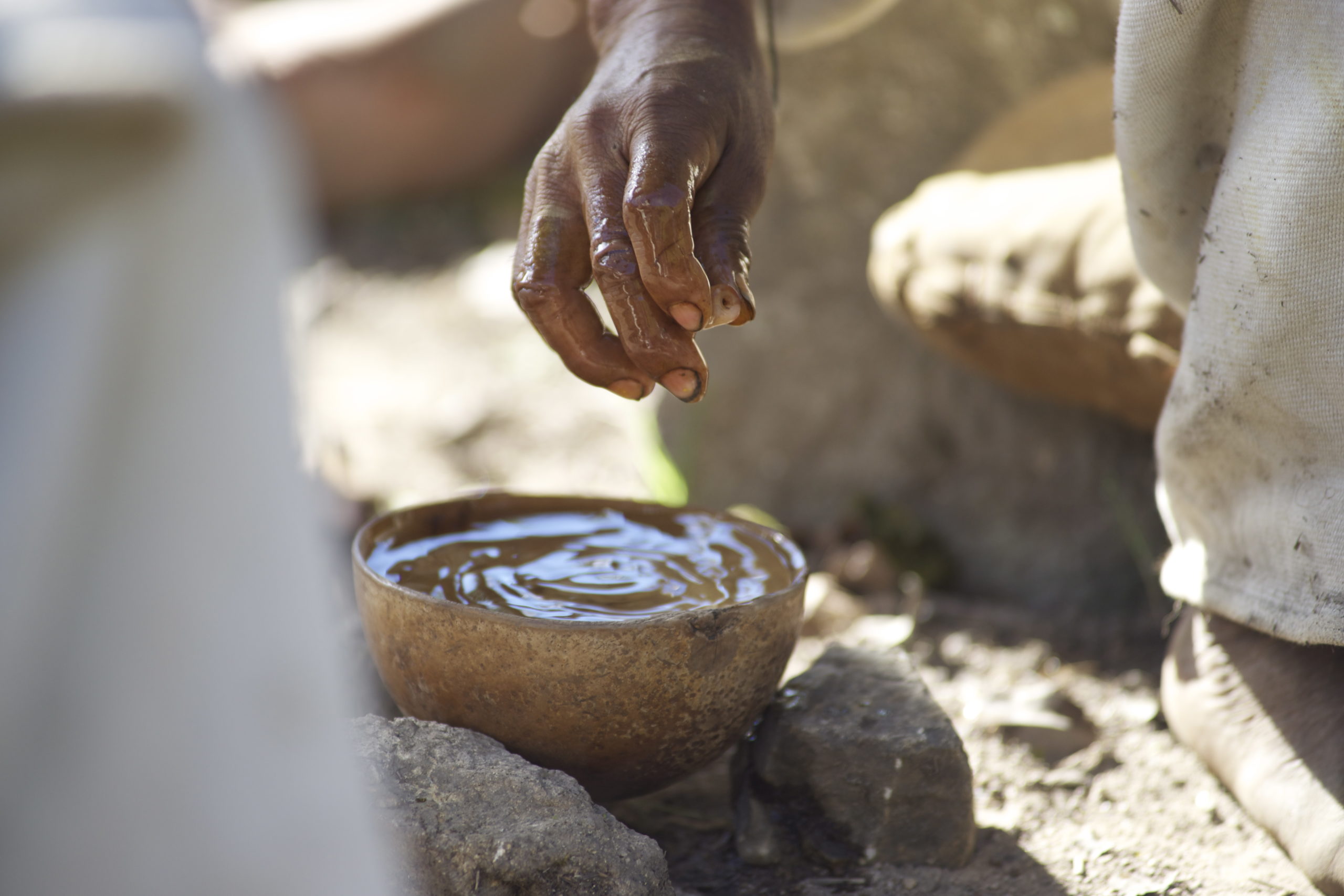
Traditionally, women have been likened to water: “Aluna Jaba (2) passed on her knowledge to the first women; today’s women and mothers pass on their knowledge to the younger generation, based on the principles of the Mother. That is why our women are like Ninudla Jaba (3), like water, the fundamental foundation that cares for everything and gives life” (4).
Indigenous women have known the cycle of life and the cycles of the earth since ancestral times; they recognise nature as a mother who sustains their daily lives. The Earth is not merely a resource; it is a living being to which they are sacredly connected. It is only by caring for her, in thought and in the physical world, that families and communities can be sustained. “We are the embodiment of nature; we are part of her and she is part of us. We care for her and she teaches and nurtures us. That is why the strength of Indigenous peoples lies essentially in the spirituality that nature has passed down to us in Indigenous territories” (5).
Indigenous women also bear a great responsibility in the community and social life of their peoples. They are leaders who possess a deep knowledge of their ancestors. For the indigenous peoples of the SNSM, “the Sagas – women of the spiritual world who are specially trained, like the Mamos – are the custodians of ancestral knowledge that enables them to maintain a holistic and balanced way of life. They pass on the knowledge they have acquired and support their children and the community, just as Mother Earth does… Given her feminine potential, her spiritual and community work is very demanding, for after Mother Earth, she is the primary source with the capacity to reproduce life, which means that her cultural responsibility is immense.”
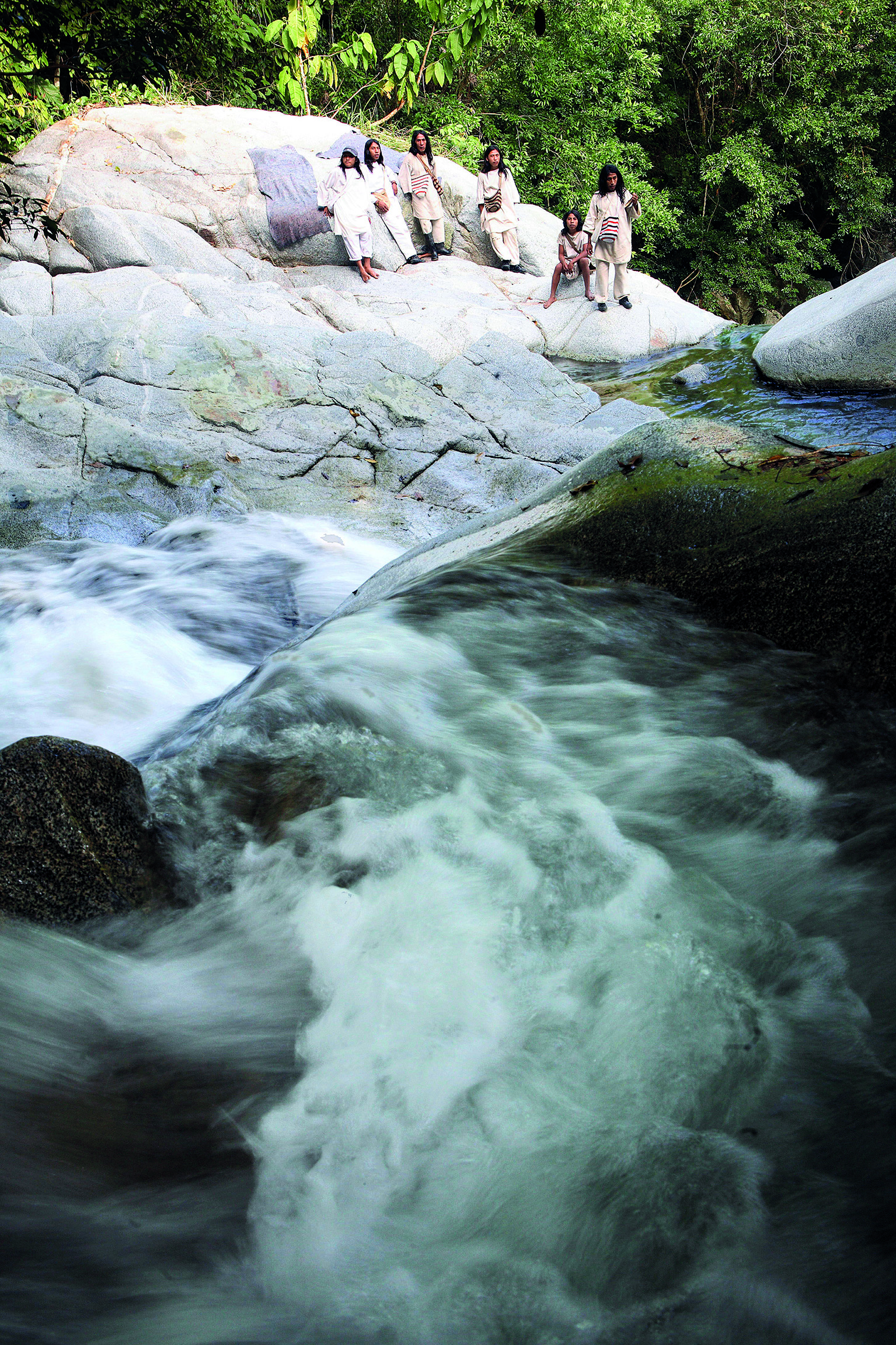
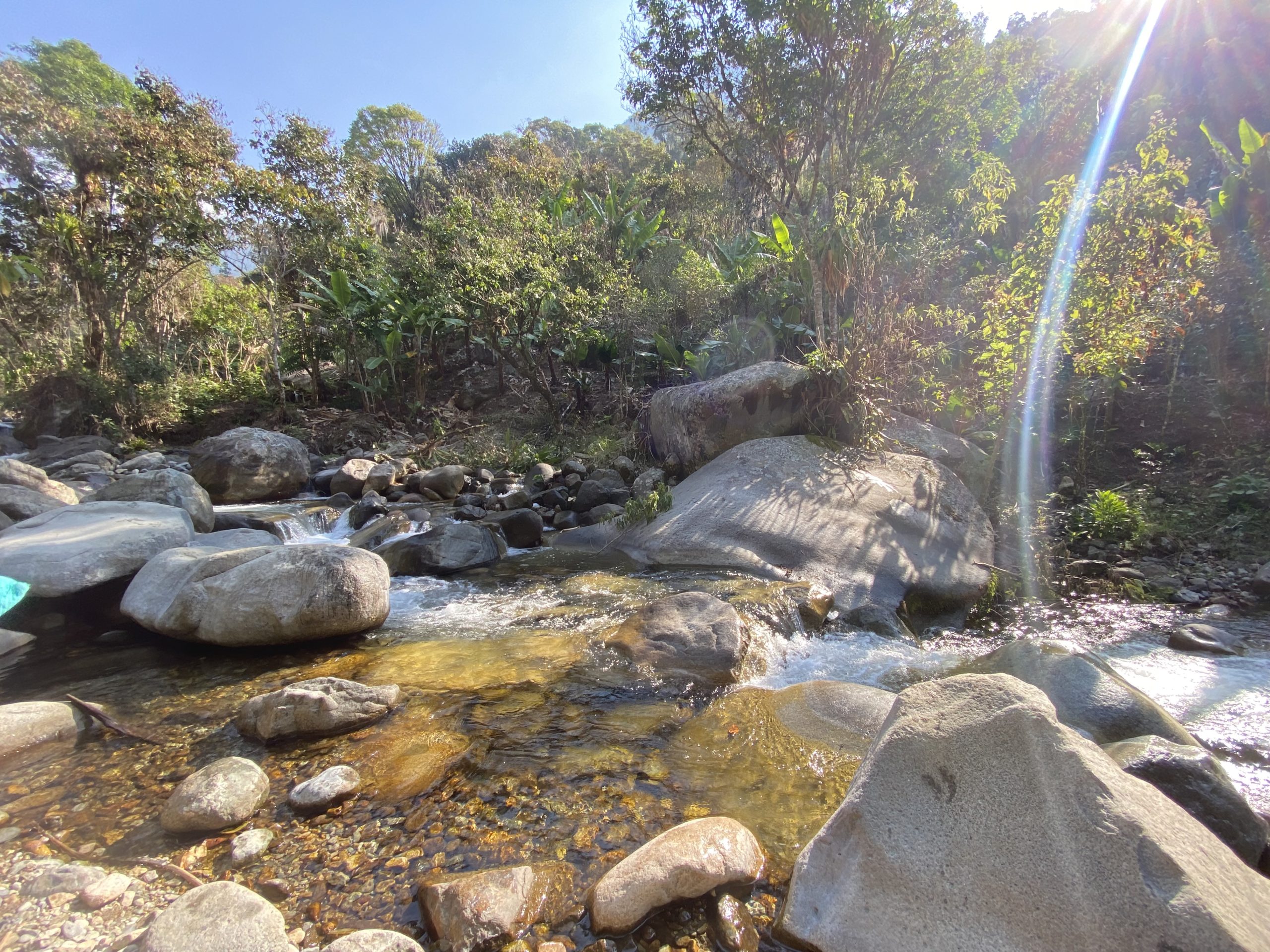
It is the indigenous women who pass on knowledge and their connection to the ancestral land orally; they are the first to sing songs and offer advice to the children, whilst weaving their mochilas. They are the first to teach their language, ensuring its survival over time. It is they who maintain the closest relationship with water sources, springs and streams from which they draw the water they need for consumption. They understand the sacred nature of these sites, which they care for through their ancestral knowledge.
They play a fundamental role in food security, which they manage on a small scale, from sowing seeds to tending crops, harvesting and preparing food. Spinning and weaving mochilas are practices of great importance within the family and for the sustainability of the culture. This work must be valued and recognised, given the difficult distinction between the productive and reproductive labour they carry out.
In a world where it is becoming increasingly urgent to care for our ‘common home’, indigenous women have much to teach us, but there is still a long way to go in valuing and recognising their work, in addressing gender inequalities, to tackle the various contexts in which their rights are violated, and to strengthen and amplify their voices, which have demonstrated remarkable resilience and determination in the defence of life and their territories.
[1] Zalabata, L. Indigenous Women. Hojas de Warmi Yearbook. 2012, no. 17 Seminar: Discussions on Women and Gender. In: https://revistas.um.es/hojasdewarmi/article/view/180281
[2] Koggian: Mother of thought
[3] Koggian: Mother representing water
[4] Words of Mamo Luntana in: Territorial Council of Cabildos. 2016. Ancestral knowledge system of the four indigenous peoples of the Sierra Nevada de Santa Marta. In: https://patrimonio.mincultura.gov.co/
[5] Zalabata, L. Indigenous women.
* * *
Women are the main pillar of life and of the continuity of culture through time and across different societies. It is indigenous women who, throughout history, have occupied an important, – though largely unseen – by ensuring the preservation of the cultural identities of indigenous peoples – diverse and deeply rooted in their relationship with Mother Earth – as well as their systems of self-governance, historical resistance and ancestral knowledge.
For the indigenous peoples of the Sierra Nevada de Santa Marta (SNSM) – Colombia – “women are the simplest and most supreme expression of tradition: they are the MOTHER, the creator. From her came the human race, the fertile black earth, plants, animals and all of Nature. We are all children of the Mother and are subject to the Law of the Mother, who is the one who cares for and guides Life. She is the very essence of the Law of Origin[1]”.
From time immemorial, women have also been like water: “Aluna Jaba[2] passed on her knowledge to the first women; today’s women and mothers pass on their knowledge to the younger generation, based on the principles of the Mother. That is why our women are like Ninudla Jaba[3], like water—the fundamental foundation that nurtures everything and gives life[4].”
Indigenous women understand the cycle of life and the cycles of the earth; since time immemorial, nature has been recognised as a Mother who sustains daily life. The Earth is not merely a resource; it is a living being to which they are sacredly connected. Only by caring for her, both in thought and in the physical world, can families and communities be sustained. “We are the embodiment of Nature; we are part of her and she is part of us. We care for her, and she teaches and shapes us. Hence, the strength of indigenous peoples lies essentially in the spirituality imparted to us by Nature within indigenous territories[5]”
Indigenous women also bear a great responsibility in the communal and social life of indigenous peoples. They are women leaders who possess a profound knowledge of ancestral traditions. For the indigenous peoples of the SNSM, the Sagas – women specially trained in the spiritual realm, just like the mamos – are the custodians of the ancestral knowledge that enables holistic life to be kept in balance. They carry within them the knowledge of the home; they nurture their children and the community just as Mother Earth does… To the extent of their feminine potential, their spiritual and community work is very demanding, since, after Mother Earth, they are the primary source capable of reproducing life; which means that their cultural responsibility is immense”.
It is the Indigenous women who pass on knowledge and their connection to the ancestral territory through oral tradition; they are the ones who sing the first songs and offer guidance to the children whilst weaving their backpacks. They are the first teachers of their language, ensuring it is preserved over time. They are the ones who have the closest relationship with water sources—the springs and streams from which they obtain water for consumption. And they understand the sacred nature of these sites, which they safeguard using their ancestral knowledge.
They play a fundamental role in food security, which they ensure on a small scale through sowing seeds, tending crops, harvesting and preparing food. Spinning and weaving the rucksack are practices of great significance in terms of women’s role within the family and the continuity of culture. This work needs to be valued and recognised, given the difficult distinction between the productive and reproductive labour they carry out.
In a world where caring for our ‘common home’ is becoming increasingly urgent, indigenous women have much to teach us; yet there is still a long way to go in valuing and recognising their work, in addressing gender inequalities, in tackling the various contexts that infringe upon their rights, and in empowering and amplifying their voices—voices that have demonstrated remarkable resilience and determination in defending life and their territories.
[1] Zalabata, L. Indigenous Women. Hojas de Warmi Yearbook. 2012, No. 17 Seminar: Discussions on Women and Gender. In: https://revistas.um.es/hojasdewarmi/article/view/180281
[2] Koggian: Mother of Thought
[3] Koggian: Mother representing water
[4] Words of Mamo Luntana in: Territorial Council of Cabildos. 2016. Ancestral knowledge system of the four indigenous peoples of the Sierra Nevada de Santa Marta. In: https://patrimonio.mincultura.gov.co/
[5] Zalabata, L. Indigenous women.
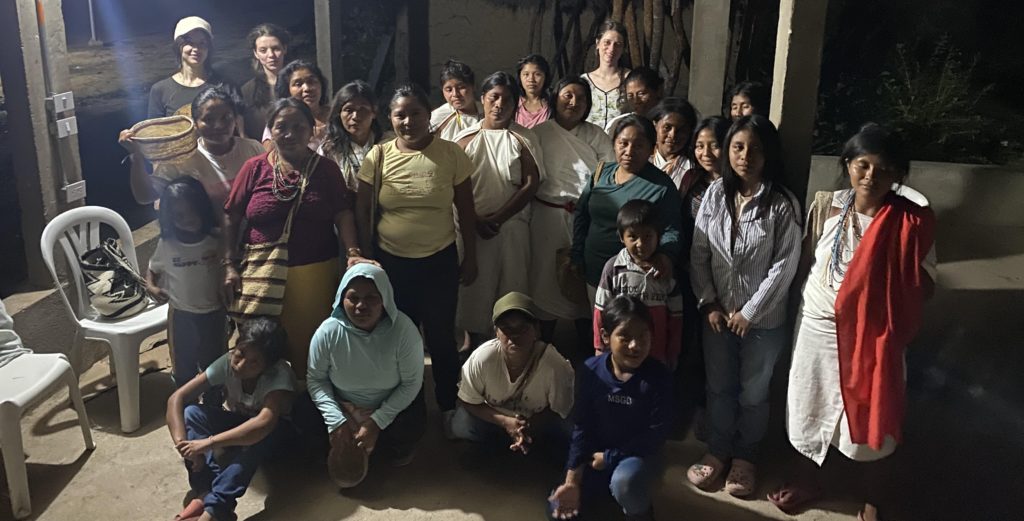
© photo credit: Gladys Laverde. Sierra Nevada de Santa Marta, February 2024.
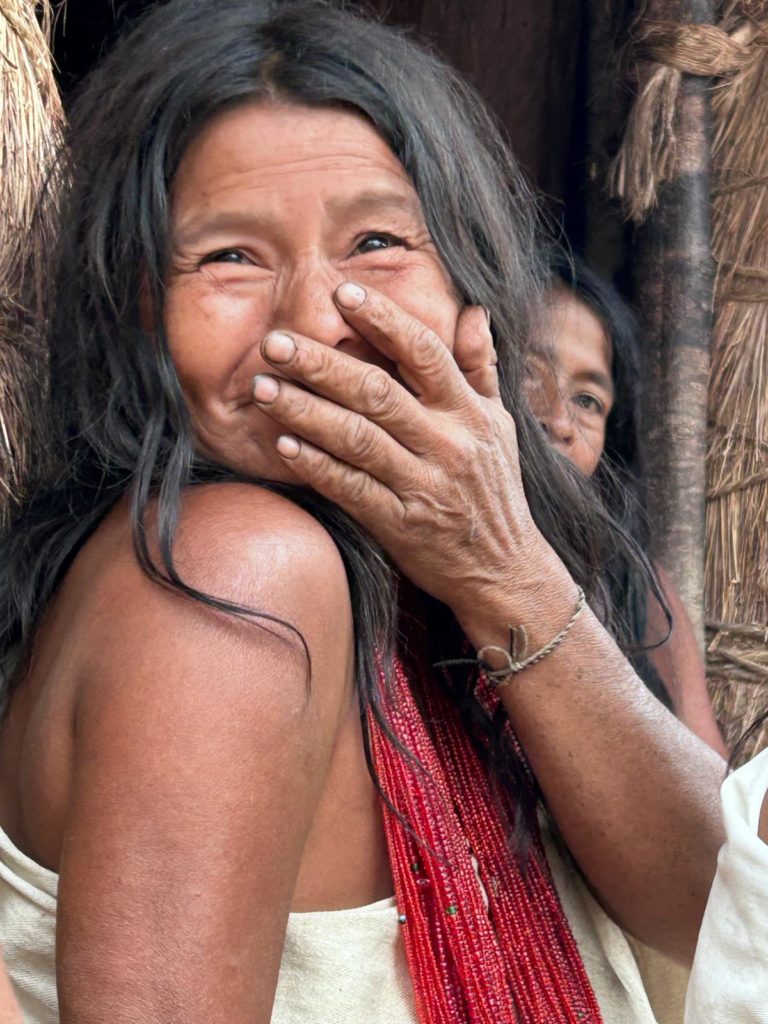
© photo credit: Eric Julien. Sierra Nevada de Santa Marta, February 2024.